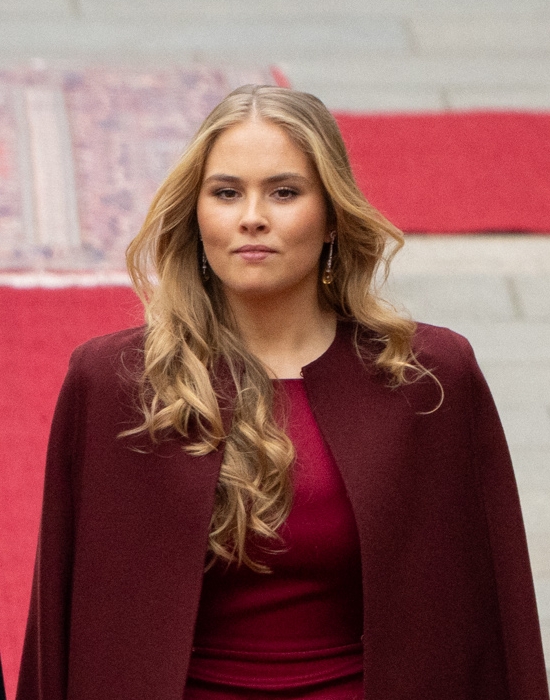
The gentle chill of a crisp December evening often brings with it a sense of quiet reflection, yet on December 7, 2003, the Netherlands buzzed with an electrifying joy. On that memorable Sunday, a new chapter in the nation's illustrious royal history began with the Geboorte Amalia (birth of Amalia). Princess Catharina-Amalia Beatrix Carmen Victoria, affectionately known as Amalia, made her grand entrance into the world, immediately capturing the hearts of a nation and prompting her ecstatic father, Prince Willem-Alexander, to declare her "the most beautiful baby in the whole world." This wasn't merely the birth of a child; it was the arrival of a future queen, securing the line of succession for the beloved House of Orange-Nassau and igniting widespread national celebration.
A Nation Holds Its Breath: Anticipation for the Future Queen
The months leading up to Amalia's birth were steeped in eager anticipation. Initially, media outlets and the public had speculated a January 2004 due date for the royal heir. However, Princess Máxima, known for her down-to-earth charm, offered a hint of the imminent arrival just days before. On December 4, she was spotted, heavily pregnant, enjoying some last-minute shopping at popular Dutch stores. First, at the upscale department store De Bijenkorf, and subsequently at the more accessible Hema, where she purchased a rather charming Jip en Janneke baby rain suit.
This seemingly mundane detail became a beloved anecdote, further endearing Máxima to the Dutch public. The iconic Jip en Janneke characters, created by Annie M.G. Schmidt, are deeply ingrained in Dutch culture, symbolizing childhood innocence and joy. Máxima’s choice was not just practical; it was a subtle nod to Dutch heritage, making her feel even more relatable to everyday citizens. The public followed every sighting, every rumour, understanding that the impending arrival was not just a personal joy for the royal couple, but a moment of profound national significance – the birth of their future monarch.
The Day the Netherlands Welcomed Amalia: December 7, 2003
The day itself, December 7, 2003, unfolded with a mix of quiet Sunday serenity and intense media scrutiny. Prince Willem-Alexander and Princess Máxima arrived at the Bronovo Hospital in The Hague early that morning. After hours of waiting, at precisely 17:01, Princess Catharina-Amalia Beatrix Carmen Victoria was born. She was the first child for Willem-Alexander and Máxima, and the second grandchild for the then-reigning Queen Beatrix.
Outside the hospital, a throng of press photographers and onlookers had gathered, patiently enduring the cold for a glimpse of the joyful news. Within moments of her arrival, a beaming Prince Willem-Alexander appeared at a hospital window, waving to the crowds and even capturing the first public photograph of his newborn daughter himself – a remarkably modern gesture for a royal. Soon after, Queen Beatrix, accompanied by Prince Friso and his fiancée Mabel Wisse Smit, arrived to meet the new princess. Amalia, weighing a healthy 3310 grams and measuring 52 centimetres, was, by all accounts, perfect. The royal visitors spent about an hour, sharing in the family's happiness.
The news of the royal birth was traditionally announced by 101 ceremonial salutes, echoing across the country from military bases in The Hague, Den Helder, Willemstad (Curaçao), and Oranjestad (Aruba). However, because it was a Sunday, the usual boisterous celebrations by Oranjeverenigingen (Orange Associations) were subdued. It was also not permitted to fly the Dutch flag adorned with the orange streamer, a custom reserved for weekdays, and the early darkness of a December evening meant fewer public displays of jubilation. Despite these quiet traditions, a collective sense of pride and elation swept through the nation. For a deeper dive into the specific events of that day, read Geboorte Amalia: Inside the Historic Birth of a Future Queen.
"The Most Beautiful Baby in the Whole World": A Royal Introduction
Later that evening, in an unprecedented move for the Dutch monarchy, Prince Willem-Alexander presented his daughter to the press corps during a special conference held in a hospital room. Unlike previous royal births where babies were typically introduced only during the official birth registration, Willem-Alexander proudly held his newborn, stating, "She is the most beautiful baby in the whole world." His joy was palpable as he spoke candidly about the "smooth and quick" delivery and their conscious decision to keep the baby's gender a surprise. His heartfelt words resonated with new parents everywhere:
“You understand that… although children are born very often in this world, Máxima and I, as proud parents, naturally find this the most beautiful baby in the whole world. And we are also very happy and grateful that the delivery went so well and smoothly today. That at 5:00 PM, this cloud of a daughter could lie in our arms, that was a very special moment.”
The prince also offered a glimpse into his hopes for Amalia's future, a promise of protection and normalcy amidst her extraordinary destiny. He expressed his wish that she could have "as much as possible, as we did in the past, a carefree, peaceful youth." He acknowledged the media's interest but pleaded for space, stating, "The media will have enough opportunities to follow her, but if she can get some peace and quiet, that would be nice." When asked a question that surely many parents of future monarchs ponder – when he would explain to his daughter that she would one day be queen – his poignant reply was simply, "Tonight not." This response beautifully encapsulated the desire to let her be a child, even as she carried the weight of a nation's future. Discover more fascinating details and lesser-known facts surrounding this momentous occasion in Behind the Headlines: Untold Facts from Princess Amalia's Birth.
Amalia's Birth: A New Chapter in Dutch Royal History
The Geboorte Amalia marked more than just a personal milestone for Willem-Alexander and Máxima; it signified a pivotal moment in Dutch royal history. Princess Catharina-Amalia Beatrix Carmen Victoria bears a name rich with familial and historical significance. "Catharina" honors her maternal grandmother, Carmen Cerruti, and potentially a nod to historical empresses. "Amalia" is a classic Dutch royal name, strongly linked to the House of Orange. "Beatrix" pays homage to her paternal grandmother, the then-reigning queen, and "Carmen Victoria" connects to her mother's Spanish heritage.
As the first child of the heir apparent (at the time), Amalia immediately became second in line to the throne. Her birth ensured the direct continuation of the House of Orange-Nassau, a dynasty that has shaped the Netherlands for centuries. Her presence solidified the future of the Dutch monarchy, demonstrating its resilience and adaptability in modern times. From those initial moments, with her father proudly holding her before the world, Amalia's journey as a public figure began, intertwining her personal growth with the destiny of her country. Her birth represented hope, continuity, and the enduring strength of the Dutch royal family.
Practical Facts & Insights from the Geboorte Amalia:
- Location: Bronovo Hospital, The Hague.
- Date & Time: December 7, 2003, at 17:01.
- Weight & Length: 3310 grams, 52 cm.
- Salutes: 101 shots fired from four locations across the Kingdom of the Netherlands.
- Cultural Touch: Princess Máxima's purchase of a Jip en Janneke baby rain suit, linking the royal family to beloved Dutch cultural icons.
- Royal Modernity: Willem-Alexander's immediate presentation of Amalia to the press was a departure from previous, more traditional royal birth announcements, showcasing a move towards greater openness.
The birth of Princess Amalia was a truly joyous occasion that resonated deeply with the Dutch people. It was a moment of national celebration, blending traditional royal protocols with a refreshing touch of modernity and personal warmth from the proud parents. From the quiet anticipation to the proud father's declaration, the Geboorte Amalia marked the beginning of a new era for the Dutch monarchy. As she grows and prepares for her future role, Princess Amalia continues to be a symbol of hope and continuity, embodying the enduring spirit of the Netherlands and its deep connection to its royal heritage.