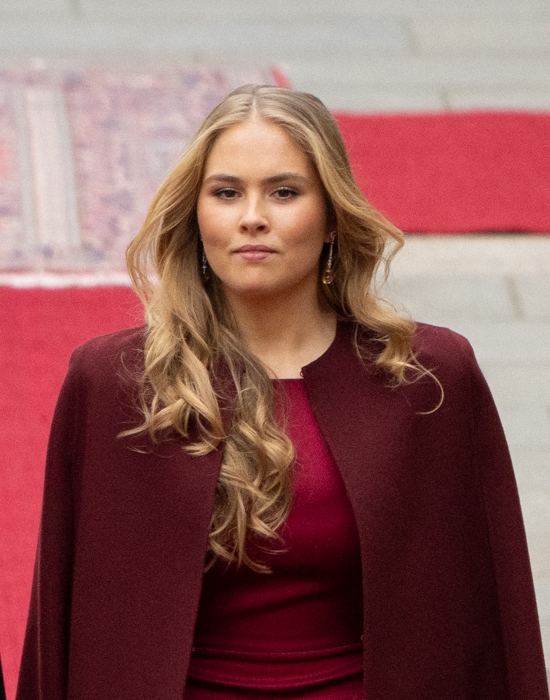
Geboorte Amalia: Inside the Historic Birth of a Future Queen
The Netherlands, a nation steeped in royal tradition yet forward-thinking in its approach, witnessed a moment that would forever etch itself into its history books on December 7, 2003. It was on this serene Sunday that Princess Catharina-Amalia Beatrix Carmen Victoria, affectionately known as Princess Amalia, made her grand entrance into the world. Her birth, often referred to as the **Geboorte Amalia**, was not merely a family milestone for Prince Willem-Alexander and Princess Máxima; it was a joyous national event, celebrating the arrival of a future Queen and the continuation of the House of Orange.
The Nation's Eager Anticipation for a Royal Heir
The period leading up to Princess Amalia's birth was filled with palpable excitement and anticipation across the Netherlands. Initially, media reports had hinted at a due date in January 2004, setting the stage for an expectant nation to patiently await its new royal. However, the future queen had other plans. Just days before her arrival, on December 4th, a heavily pregnant Princess Máxima was spotted enjoying last-minute preparations, first at the upscale Bijenkorf department store and later at Hema, a popular Dutch chain, where she famously purchased a charming Jip en Janneke baby raincoat. This relatable moment offered a glimpse into the down-to-earth nature of the royal couple, endearing them further to the public and intensifying the excitement surrounding the impending **Geboorte Amalia**. It underscored that even future monarchs prepare for parenthood with practical, heartwarming purchases, much like any other family.
The atmosphere was electric, yet deeply personal. As the first child of the then Prince and Princess of Orange, the stakes were high, and the dreams of a nation rested on this anticipated arrival. Every sighting, every detail, became a topic of eager discussion, reflecting the deep affection the Dutch people hold for their royal family.
A Historic Day Unfolds: December 7, 2003
The quiet calm of Sunday, December 7, 2003, in The Hague was beautifully broken by the momentous news. From approximately nine o'clock in the morning, Prince Willem-Alexander and Princess Máxima were at the Bronovo Hospital, a facility that holds a special place in Dutch royal history, having previously welcomed several members of the Royal House. At precisely 17:01, their daughter, Catharina-Amalia, arrived, weighing a healthy 3310 grams and measuring 52 centimeters. Her birth made Queen Beatrix a proud grandmother for the second time, adding another cherished member to the royal lineage.
Outside the hospital, a throng of eager journalists and well-wishers had gathered, their patience rewarded with a glimpse of the jubilant new father. Prince Willem-Alexander appeared at a window, waving to the crowds, and even captured the very first photograph of his newborn daughter, a modern gesture that delighted onlookers. Within half an hour, Queen Beatrix, accompanied by Prince Friso and his fiancée Mabel, arrived to meet the newest royal, staying for a precious hour.
The traditional announcement of the royal birth was a resounding one, albeit somewhat subdued by the day itself. A majestic 101-gun salute echoed through the air from four key locations: The Hague, Den Helder, Willemstad (Curaçao), and Oranjestad (Aruba), symbolizing the unity of the Kingdom of the Netherlands. However, as it was a Sunday, traditional celebrations by Orange associations were postponed, and the Dutch flag with the orange pennant was not permitted to be flown, adding a unique, almost tranquil, aspect to this monumental occasion. This blend of historic protocol and the peaceful quiet of a Sunday evening underscored the unique balance of pomp and privacy that often defines royal life.
"The Most Beautiful Baby": A Royal Introduction Like No Other
Later that same evening, Prince Willem-Alexander stepped forward, a proud and beaming father, to introduce his daughter to the world during a special press conference held in a hospital hall. In a move that broke from previous royal traditions, where newborns were typically only shown during the formal birth registration, Willem-Alexander presented Amalia to the press with unprecedented speed. His words, filled with undeniable parental pride, instantly captured the nation's heart: "She is the most beautiful baby in the whole world," he declared, a sentiment no doubt shared by countless new parents but particularly significant coming from a future King about his future heir. This iconic declaration is a central piece of Amalia's early story, a testament to her parents' immediate and profound love. To delve deeper into the context of this statement and its historical significance, you might enjoy reading
The 'Most Beautiful Baby': Amalia's Birth and Royal Dutch History.
He spoke openly about the "smooth and good" delivery, expressing immense happiness and gratitude for the healthy arrival of their "cloud of a daughter." The couple had made a conscious decision to keep the baby's gender a surprise, adding an extra layer of excitement to the **Geboorte Amalia**.
Beyond the immediate joy, Willem-Alexander also shared a profound hope for his daughter's future. He expressed his wish for Amalia to enjoy "as carefree and peaceful a youth as possible," acknowledging the inevitable media attention but pleading for moments of quiet for his family. When quizzed by the press about when he would explain to Amalia that she was destined to be queen, his quick, tender, and somewhat humorous response – "Tonight, no" – perfectly encapsulated the balance between a father's protective love and a prince's duty. This early glimpse into his parental priorities offered a refreshing blend of royal responsibility and human warmth, setting a precedent for a more accessible monarchy.
Beyond the Hospital Doors: The Royal Couple's Quiet Departure
In a final demonstration of their desire to embrace both royal duty and personal family moments, the young parents quietly departed the hospital for home that same evening. This "secret" exit, a subtle move away from the public gaze, allowed them to begin their journey as a new family in the privacy of their residence, savouring the first precious hours with their daughter away from the flashing cameras. This act reflected a modern royal sensibility: fulfilling public expectation while safeguarding invaluable private family time.
The **Geboorte Amalia** represented more than just a birth; it was a defining moment for the Dutch monarchy, symbolizing continuity, modernity, and the enduring bond between the royal family and its people. Princess Amalia's arrival underscored a new chapter, one where transparency and personal touch began to blend seamlessly with age-old traditions. The choice of her parents to share moments of joy, while also seeking respite from the public eye, set a contemporary tone for royal engagement. For more fascinating details and less-known anecdotes surrounding this momentous occasion, be sure to explore
Behind the Headlines: Untold Facts from Princess Amalia's Birth.
From the Jip en Janneke raincoat to the proud father's immediate photo, the story of Amalia's birth is a rich tapestry of anticipation, celebration, and deeply human moments. It reminds us that even in the highest echelons of society, the miracle of new life resonates with universal joy and hope.
The Enduring Legacy of Princess Amalia's Birth
The **Geboorte Amalia** stands as a pivotal moment in recent Dutch history, marking the arrival of a new generation for the House of Orange and ensuring the future of the monarchy. From the initial fervent anticipation to the solemn salutes and the tender, proud words of a new father, every aspect of Princess Amalia's birth captivated the nation. It was a day that perfectly blended centuries of royal protocol with the warmth and personal touch of a modern family, setting a precedent for how future royal milestones might be celebrated. As Princess Amalia continues to grow into her role, the memory of her historic birth serves as a foundational chapter, reminding all of the joyous beginning of a future Queen's remarkable journey.